Table Of Content

Dry hair[5] absorbs more dye than wet hair, leaving less to go around. Moisture quenches and lubricates the hair’s surfaces, allowing the dye to spread further and reach more areas of your head. The hair color must be determined in advance, and the quality of the composition should be carefully selected in the store.
Ensure There Is No Ammonia or Hydrogen in the Product

When you look at these things that can happen when you dye your hair when it’s wet, then it isn’t really recommended to do so. It is too risky and you will end up with hair that might not be the way you have hoped for. Besides that, you are diluting your hair color, is there anything else that might happen to your hair?
Can You Dye Wet Hair? (All you need to Know)
They raise the hair cuticles to help the color pigment penetrate the hair shafts. In this process, the chemicals also strip the natural oils produced by the scalp. Again, dyeing hair wet is only recommended when you are using semi-permanent hair dye and are looking to keep the color in the same family it is currently in. If you’re stumped trying to answer the question, “do you dye wet or dry hair,” there isn’t necessarily one right answer. Sometimes, dyeing wet hair may be recommended, while other times you may find that it is best to dye your hair when dry.
Dye hair wet or dry?
Many factors influence whether or not you should dye wet hair, including the quality, type, and formulation of the dye, the type of hair, and the colorist’s experience. Hair, like cloth, has a high water retention capacity and dilutes dye depending on the amount of water used. For instance, you can dye wet hair black and still see some discoloration due to dye dilution. It should also be mentioned that anytime you apply dye to your hair, it’s always best to follow the instructions. You should wash your hair about 12 to 24 hours before dyeing it. A clarifying shampoo will get rid of any product build-up on your hair, allowing for better and more even color distribution.
Dirty Hair or Clean Hair: Should You Wash Before You Dye?
On the other hand, with dry hair, you must be extra cautious when applying the dye to ensure that all areas are covered and no spots are missed. Listen, when coloring your hair, avoid washing it (with shampoo) before the session, as most dyes are designed to perform better on slightly unwashed hair. Yes, actually, dyeing your wet hair is doable, but only under the right circumstances. This method is ideal for achieving subtle results or creating certain highlighting techniques.
How Much Does Hair Weigh When it's Dry or Wet? - Healthline
How Much Does Hair Weigh When it's Dry or Wet?.
Posted: Tue, 09 Mar 2021 08:00:00 GMT [source]
And, you need to remember that we are talking about damp hair, not soaking wet hair. Soaking wet hair will never dye, no matter how hard you are trying. To get a better understanding about dyeing your hair wet or dry, it is best to know the pros and cons. The moment that you know the pros and cons of dyeing wet hair, you will understand why it is better to dye your hair dry. But, why some hair colors prefer wet hair if you want to get the best results.
Step 1 – Rinse the hair under lukewarm running water
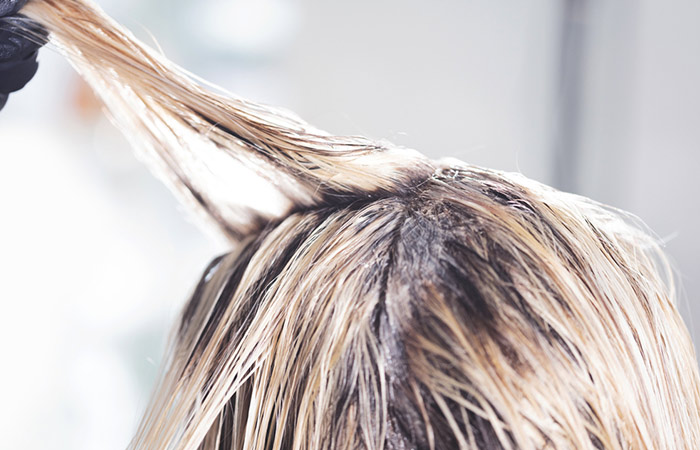
Applying hair color to wet hair, especially hair that hasn’t been at least towel dried may not yield the results you desire. When you dye wet hair, you run the risk of the dye being applied unevenly. You may find that the resulting hair color is not what you had in mind.
Can You Dye Wet Hair? The Key Tactics In Coloring Hair
Millions of men and women all over the globe change their natural hair color as a form of self-expression. A large percentage of this crowd doesn’t even need a valid reason to dye their hair, other than because they are bored with their current color. I wasn’t very pleased with the outcome but I was pretty proud of my efforts. A better-informed mindset has replaced the mentality I had that I could not apply dye on wet hair.
The Disadvantages Of Dyeing Wet Hair
After rinsing, apply a good leave-in conditioner to your hair to mitigate the damage. Just like you would with dry hair, section your hair to make applying the hair dye easier and more even. Put the dye on thick, ensuring that the color permeates the hair. Fortunately, there are alternatives to dyeing wet hair that can still give you the hair color transformation you desire without damaging your hair. Additionally, dyeing wet hair may not yield the desired results as the color may turn out uneven or lighter than expected. You can, but we don’t recommend it because you may not know which types of hair dye is best for you.
Especially, when you are dyeing your hair with permanent hair dye. Your wet hair will wash and dilute the hair dyeing color. Towel dry hair will dye hair easier and better than freshly washed, wet hair, if you really need to dye your hair, wet. The best way to protect your wet hair while dyeing is to use semi-permanent hair dyes. These products do not contain nearly as many harsh chemicals as regular hair dyes, so the damage will be minimized. Which one is better, applying hair dye on wet or dry hair?
Once you have applied the dye, use a wide-tooth comb to distribute the color evenly throughout your hair. Follow the instructions on the packaging to mix the dye. Some dyes may require you to add a developer, while others may come pre-mixed. Make sure to mix the dye properly to avoid any patchy spots. Dyeing wet hair can be messy, so it is important to protect your skin from any stains. Apply petroleum jelly or a thin layer of conditioner along your hairline, ears, and neck to create a barrier between the dye and your skin.
The moisture in your hair allows the color to distribute more evenly, so you can use less dye for the same results. Applying hair dye to dry hair requires more care when it’s applied to make sure you don’t leave any patches untouched. Some think that certain textures accept color differently, but this is not true. The truth is that your hair’s porosity is what determines how evenly and effectively the color processes. The more porous your hair is, the more color your hair can absorb, and that is why some prefer to apply hair dye to wet hair. The color application for wet hair uses a significantly less amount of hair color than dry hair.